Crawling, climbing and chasing build more than you might think. Here is what children aged 2.5 to 6 are learning through play, and how you can help at home.
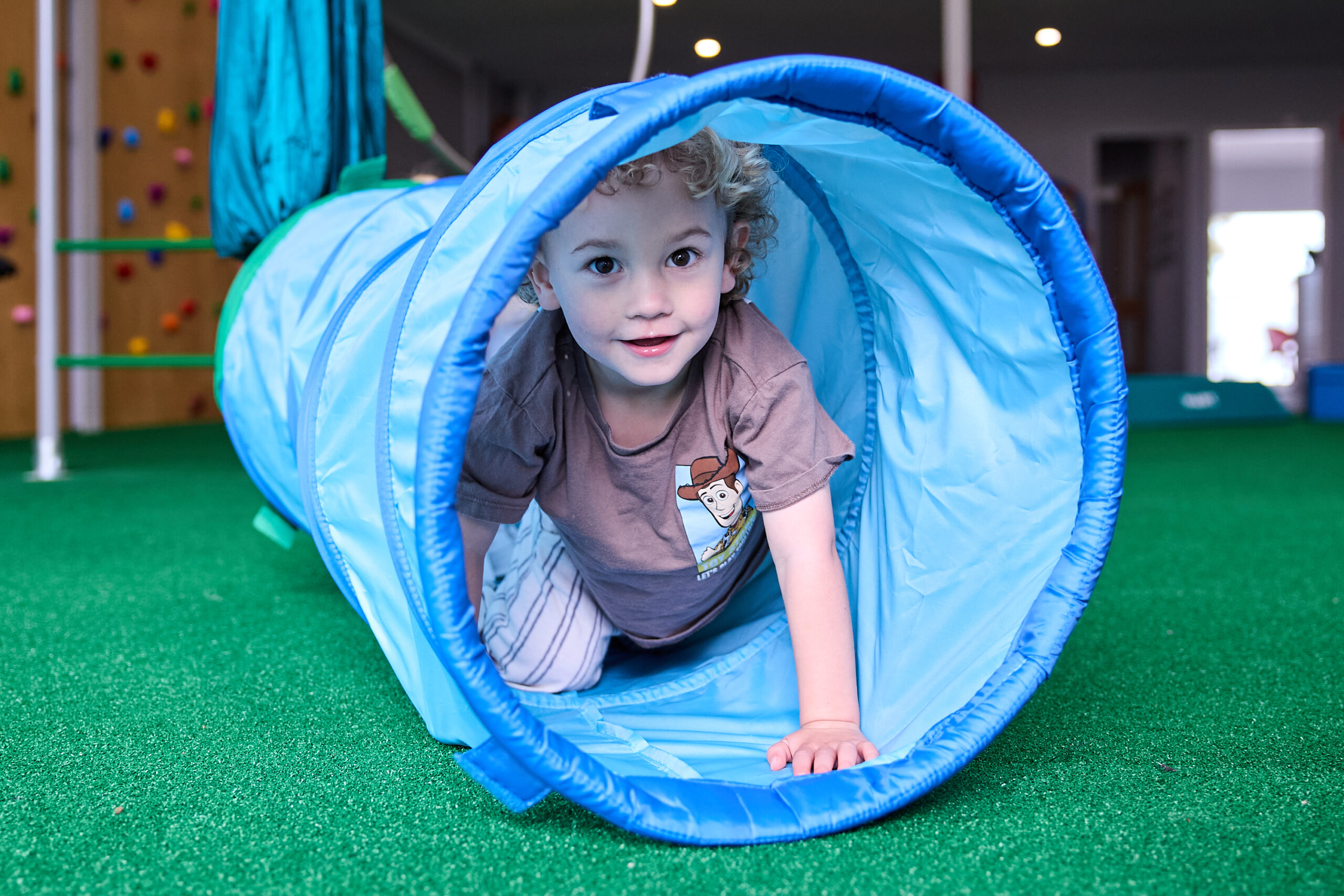
When a three-year-old crawls through a tunnel, there is a surprising amount going on underneath the giggles. They are working out where their body is in space, planning which hand goes where, and deciding whether to turn around halfway (and then announcing the whole thing to anyone nearby). All of that adds up to the motor skills for toddlers and preschoolers that later help with running, climbing, writing and joining in with friends.
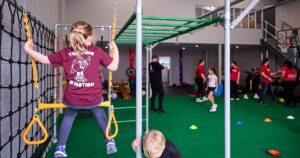
Between about 2.5 and 6, children are laying down the movement foundations that they will build on for years. Balance and coordination grow every time they step along a wobbly line or kick a ball, body awareness grows when they squeeze through a gap, and strength grows through all that climbing, pushing and carrying. Alongside the physical skills sits something just as valuable, which is the confidence to have a go, and that comes from lots of chances to try things and find out that wobbling is part of how it works. Running, jumping, throwing and catching all grow from these early experiences, and so does the ability to join in a game with other children.
Children come to all of this at their own pace, and that is absolutely fine. Some are daredevils from the start and others like to watch for a while before joining in, and both are doing important learning. If you ever feel worried, your GP, your child health nurse or our team are all good people to talk to, and we are always happy to have a chat. Comparing one child with another rarely helps, because each is working on something different at any given moment, and the skill your child is quietly practising today may not be the one that shows up at the park.
The good news is that the best support doesn't need equipment or a plan. Varied play gives little bodies lots of different things to work out, so a mix of climbing at the park, rolling on the lounge room floor and balancing along a garden edge all counts. It helps when a grown-up joins in, because children love having you in the game, and when we praise the effort and the having a go rather than whether it was done perfectly. Our blog Why good job might not be helping goes into this in more detail. And if you can bear it, let them wobble, because that is often exactly when the learning is happening. For more ideas, our free activity cards are a good place to start. A cardboard box can become a tunnel, a row of cushions a mountain, and a walk to the letterbox a balancing challenge.
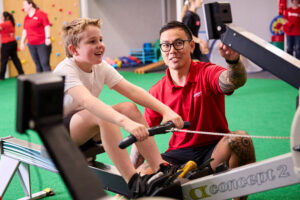
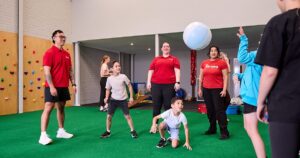
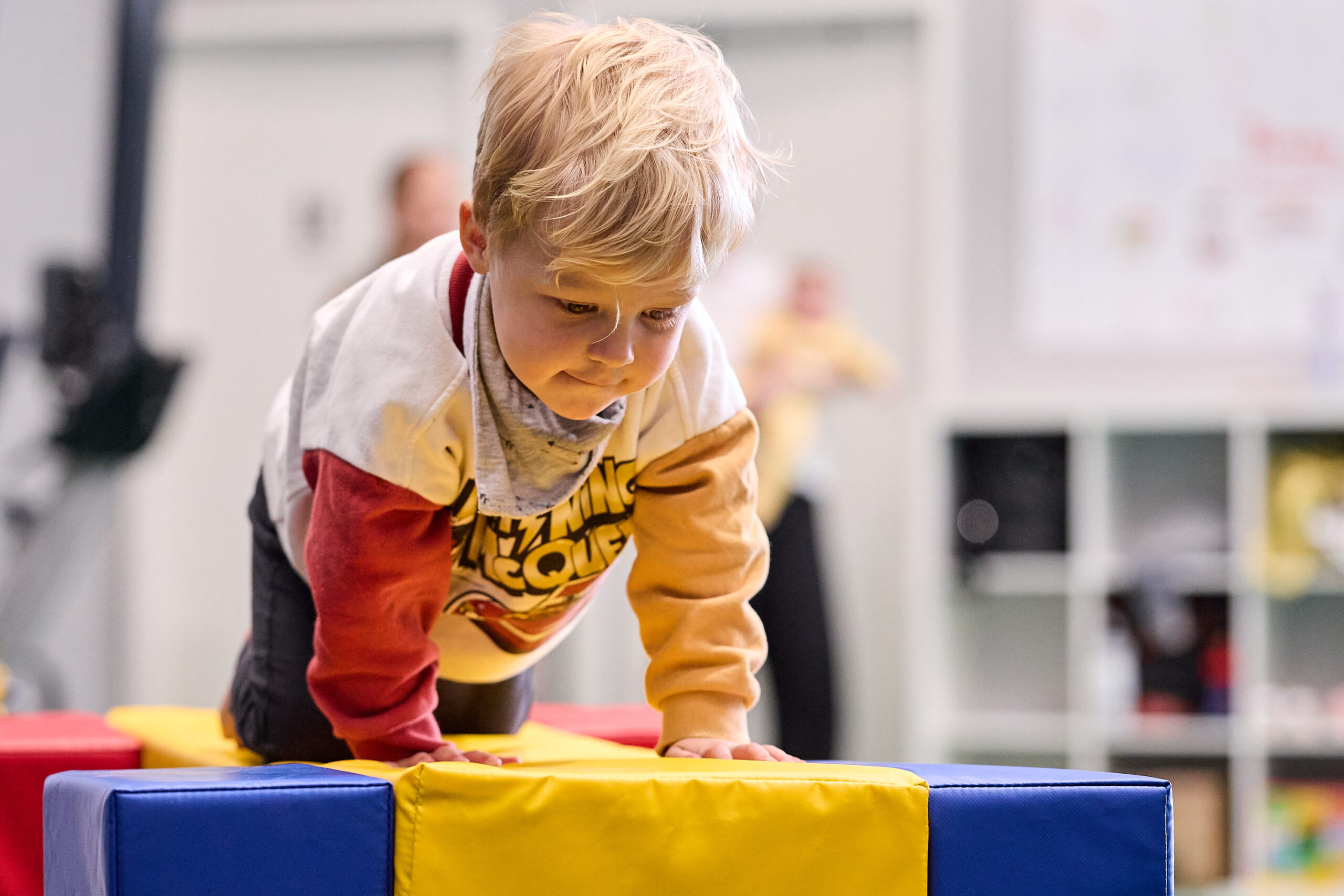
Mini Movers is our parent-assisted program for children aged 2.5 to 6, which means the grown-up takes part alongside their child rather than watching from the side. Each 45-minute session begins with a welcome circle, moves on to a circuit of four playful stations, and finishes with a parachute cool-down that most children are quite attached to. We keep groups small, with a cap of 10 families, and enrolment is rolling so you can join at any time. Because the adult takes part, you get to see first hand what your child enjoys and how they approach new challenges, and you can take ideas from each session home with you.
Mini Movers runs at Thriving HQ in Balcatta several mornings and afternoons a week, and at Craigie on Monday mornings. You can see the days on the Mini Movers session times on our timetable. Your first session is free, so it is an easy way to see whether it suits you both.