
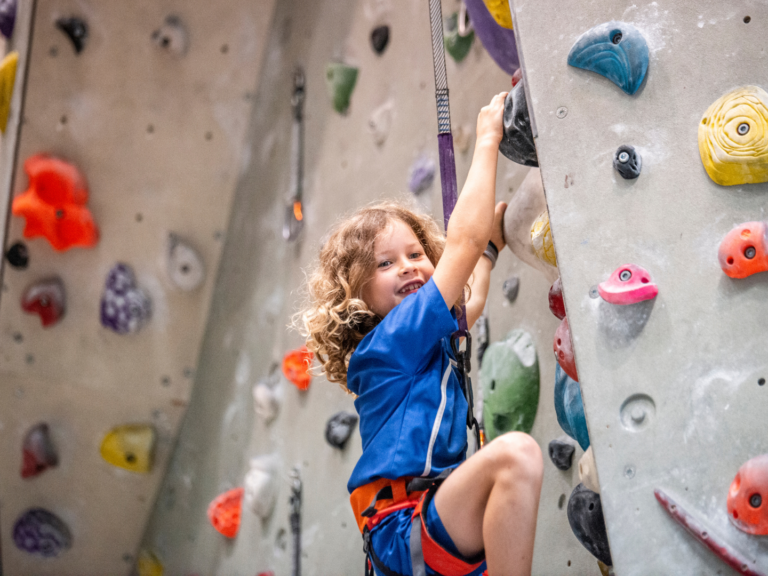
Most of us reach for praise instinctively when our children are being active. We call out “good job” and “well done” across the park, meaning every word of it, and assuming that more encouragement must be better. The research on confidence suggests that the picture is a little more nuanced, and that a few small changes to how we praise can make our encouragement land far more effectively.
Confidence is a child’s belief that they can do a particular thing, and it matters enormously, because it shapes whether they will attempt the task in the first place and whether they will persist when it gets hard. A confident child aims higher and recovers from mistakes, while a child who doubts themselves tends to avoid the activity or abandon it at the first stumble. Since this belief is built largely through the words of the adults around them, the way we speak to our children while they move carries real weight.
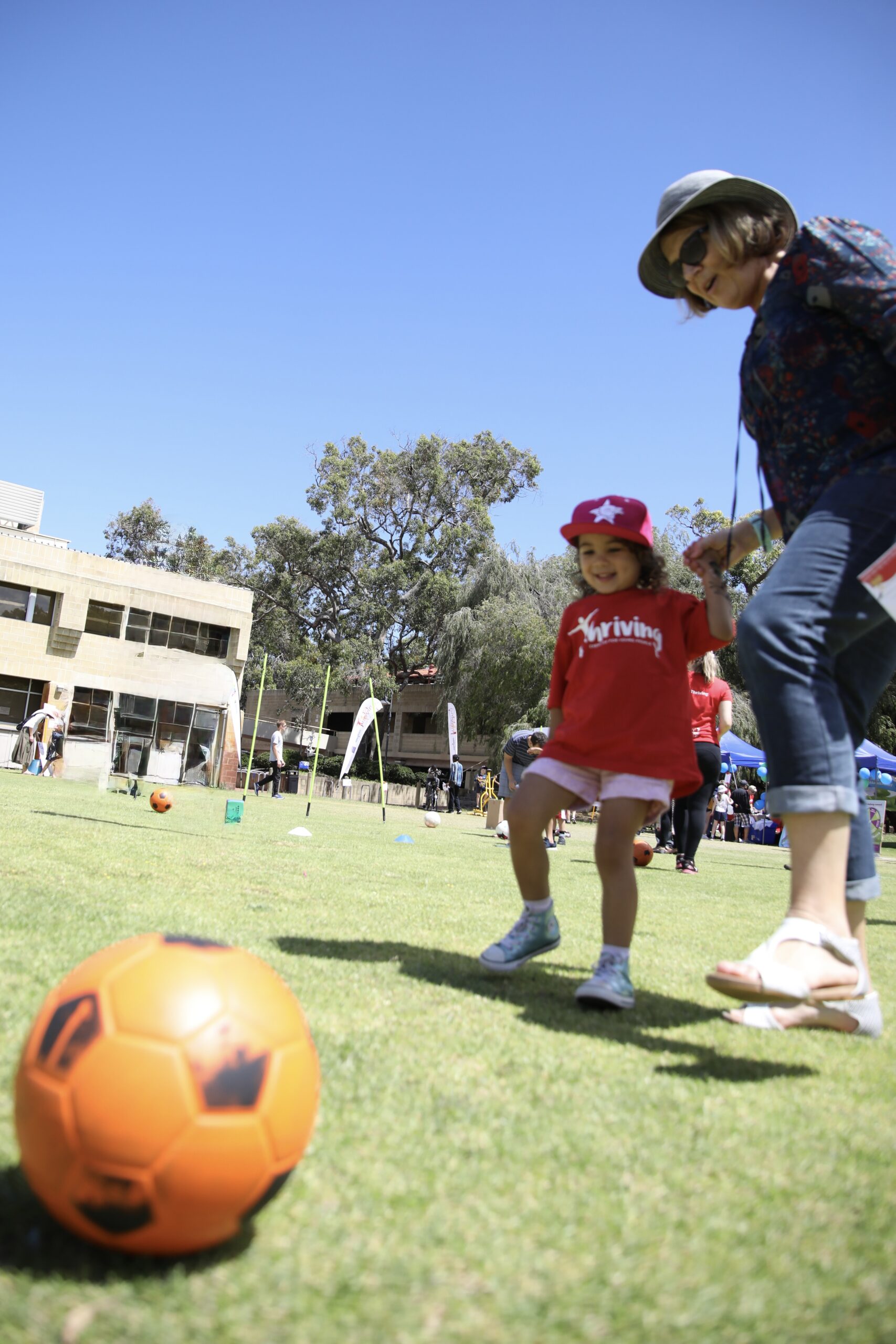
Praise the effort, and be specific
The first shift is to praise effort rather than only outcome. When we celebrate only the goal scored or the ball caught, we quietly teach a child that success is what earns approval, which makes failure feel costly and worth avoiding. Praising the effort, the trying, the watching, the willingness to have another go, teaches instead that the having a go is the point, and that keeps a child in the game when results are slow. The second shift is to be specific. A vague “good job” tells a child very little, whereas “you kept your eye on the ball that time” gives them something concrete to repeat, and signals that you were genuinely paying attention.
Keep it honest, and add one small word
It also helps to keep praise honest. Telling a child that every attempt was perfect, including the ones that plainly were not, sounds kind but erodes the value of your words, and children notice the gap. Praise given when it is due means more than praise given constantly. One small word worth adding to your vocabulary is “yet”, because the difference between “you cannot do this” and “you cannot do this yet” is the difference between a closed door and an open one, and children hear it.
Two final influences are easy to overlook. The first is your child’s emotional state, since a tired or anxious child will judge their own ability harshly and a relaxed, happy child will feel more capable of exactly the same task, which is why keeping activity enjoyable is part of building confidence. The second is how setbacks are handled, because children who learn that mistakes are part of getting better, and that ability grows with practice, become far more willing to keep trying. In the MAGIC reminder these are the C and the G, Confidence and Grit, and they work together. None of these changes is large on its own. Taken together, and used consistently, they reshape how a child feels about their own capability, and a child who believes they can is a child who keeps moving.
If this idea interests you, psychologist Dr Emily Musgrove explores it for adults on The Imperfects. It is a useful listen for parents, because grit turns out to be perseverance you build through effort rather than a talent you are born with. It is also why we let children try lots of things before narrowing to one. A child cannot know what they will love until they have had a go, so all that trying is how both interest and perseverance take root.
Listen to the episode