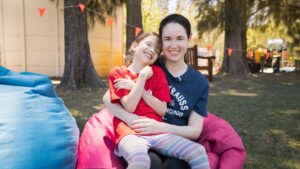
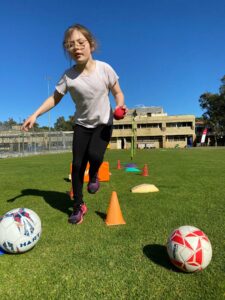
If your child sighs at the word sport, or hovers at the edge of the game while other children rush in, it is easy to conclude that you have an inactive child on your hands. In most cases that conclusion is wrong, and the situation is far more workable than it feels. What you usually have is a child who has not yet found their way into being active, which is something families are well placed to change.
What actually keeps a child active
We tend to judge active children by their skills, by whether they can kick, catch, run or score, but skill on its own turns out to be a poor guide to who keeps moving through life. Plenty of capable children quietly step away from activity because they stopped enjoying it, or because somewhere along the way they decided they were not good enough or had a negative experience. The children who stay active are the ones who enjoy it and who believe they can, and that combination of motivation and confidence, sitting alongside skills and a sense of belonging, is what researchers call physical literacy.
Consider a simple game of throwing and catching in the backyard. In one version, the throws are the same every time, the praise is a distracted “good job” whether or not the ball is caught, and there is little warmth in it. In another version, the child is offered a choice of ball and a reason for it, hears specifically what they did well, such as watching the ball all the way into their hands, and is stretched a little further only once they are ready. The two games take the same ten minutes and involve the same level of talent, yet the second child tends to walk away wanting another turn while the first does not. Nothing about athletic ability has changed between them. What has changed is the child’s motivation and confidence.
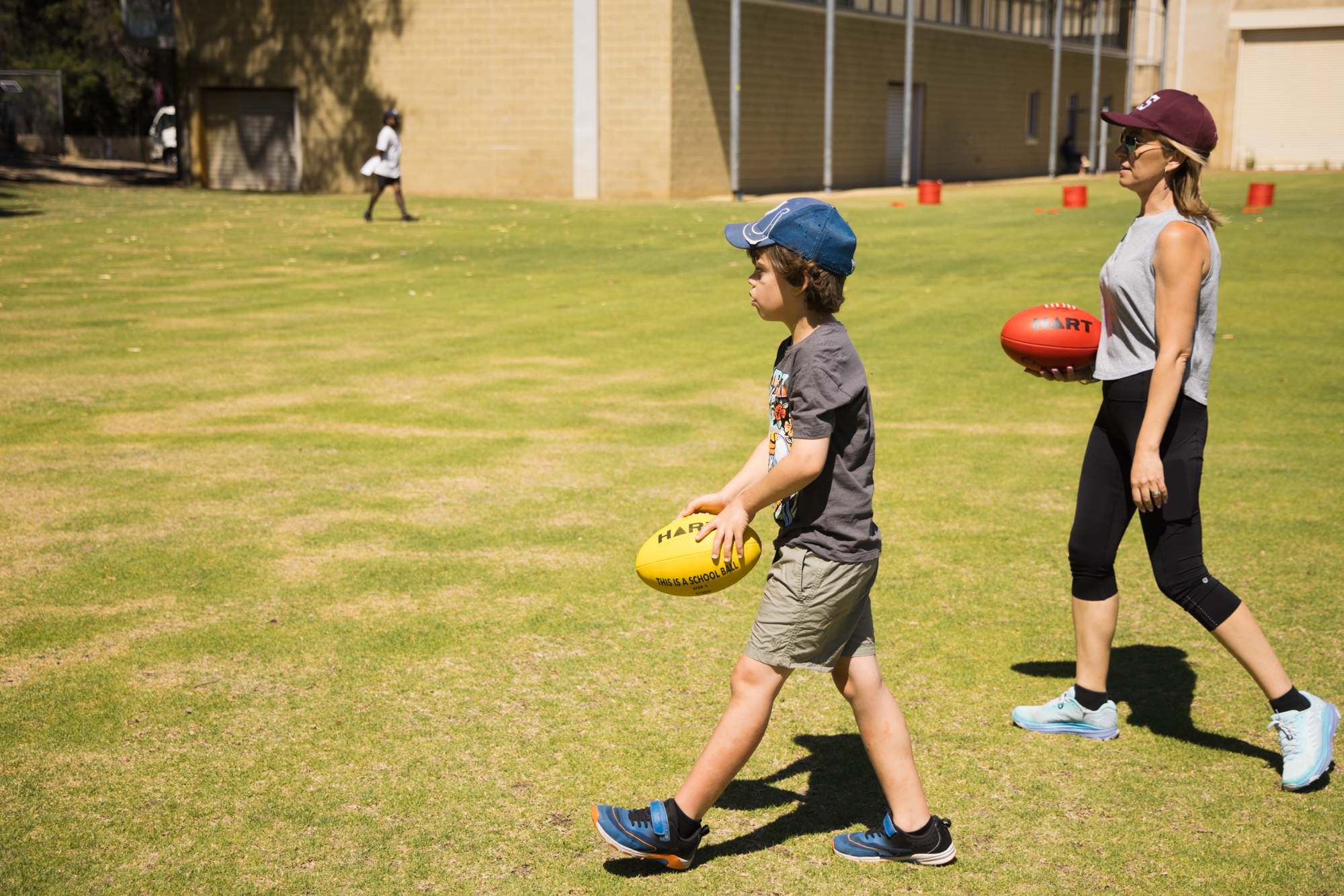
This is the part many of us have backwards. We assume the activity builds the child, when more often it is the way we are alongside the child that builds their appetite for the activity. That is a genuinely encouraging idea, because it means you do not need to be sporty, fit or coordinated to give your child a strong start. You need a handful of simple habits and the willingness to use them in the small, ordinary moments.
The part families play
You are better placed to do this than anyone else in your child’s life. A coach might see your child for an hour a week, while you see them at the park, in the lounge room and on the walk to school, in all the moments where confidence is quietly made or dented. Our research supports this directly: when parents feel equipped to support their child’s movement, both the child’s confidence and their activity tend to rise.
Across this series we look at what those habits look like, grouped around the things that matter most: building motivation, building confidence, and the part the whole family plays in both.To make them easy to hold on to, we gather them into a single word, MAGIC, standing for Motivation, Autonomy, Grit, Interconnected and Confidence, and we will take the letters in turn. To make a start today, download our free activity cards and try one this week, watching less for whether your child gets it right and more for whether they want another go. That interest is the early sign that you are building something that will last.