
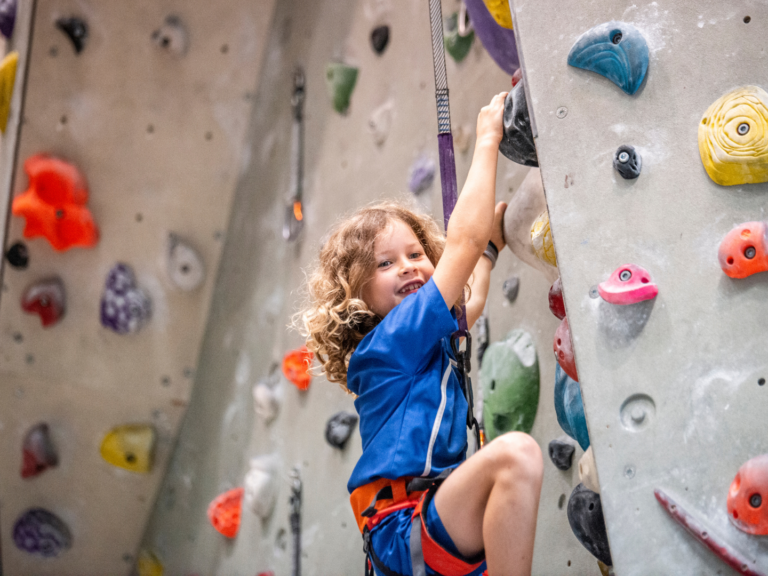
When parents ask how to motivate a reluctant child to be active, they are often expecting an answer about rewards or discipline, a sticker chart or a firmer routine. Those things have their place, but they tend to produce short bursts of effort that fade once the reward or the pressure is removed. The motivation that actually lasts comes from a different source, and building it is more about subtraction than addition, more about getting out of the way of your child’s own interest than manufacturing it.
The motivation that lasts
Researchers distinguish between doing something for an external reason, such as a prize or a parent’s approval, and doing it because the activity itself is interesting and enjoyable. The second kind is the one associated with persistence and wellbeing, and it is the kind worth cultivating. The practical implication is straightforward: if you want a child who keeps moving, the most important question is not whether they are doing the right activity but whether they are enjoying the one they are doing.
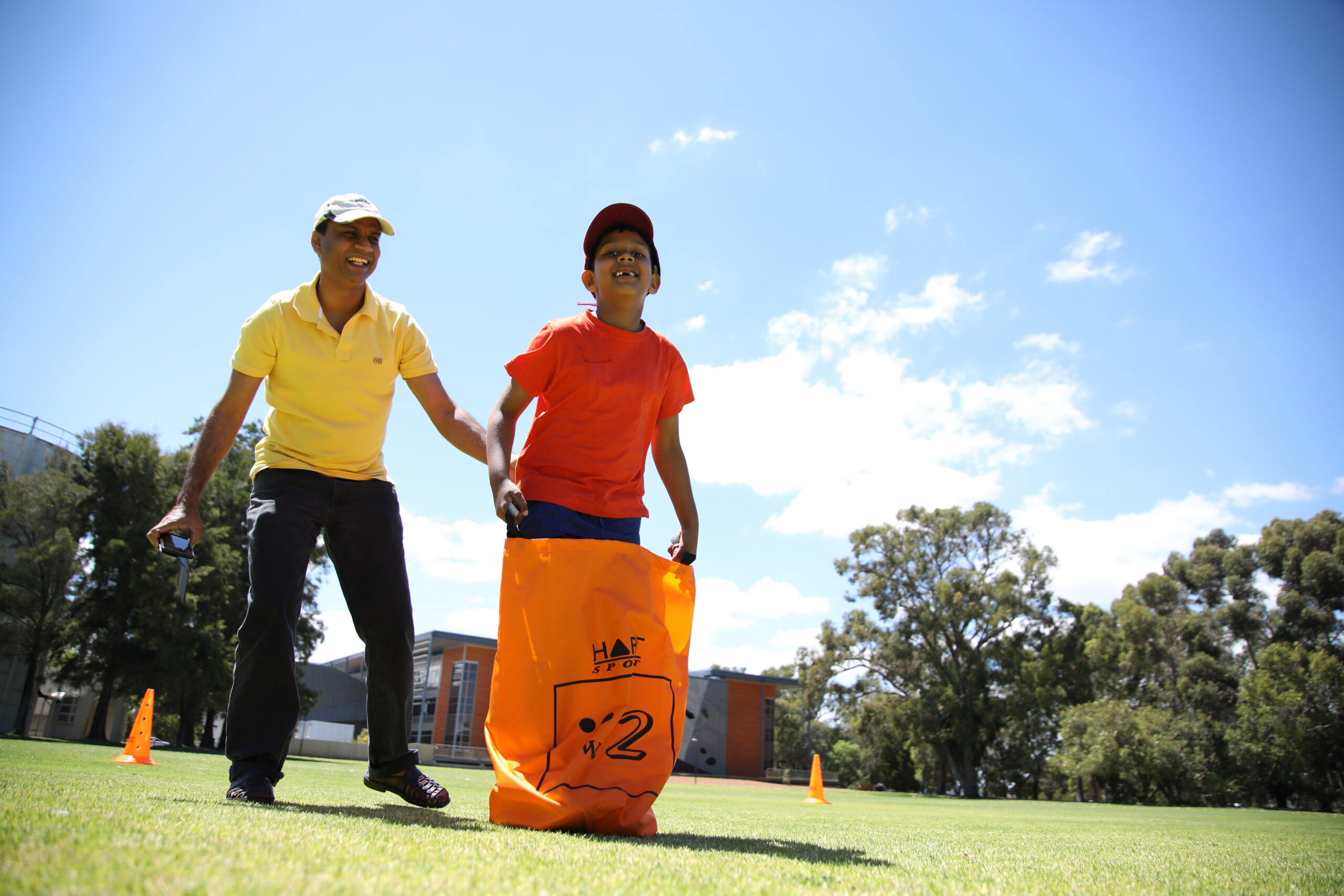
That changes where you put your attention. Rather than recruiting your child into the sport you have in mind, it is worth watching for the movement they are already drawn to, whether that is climbing, swimming, dancing or simply running about, and building from there. It also means letting your own enjoyment show. Children take a great deal of their cue from us, and a parent who is plainly having fun in a game is a more persuasive invitation than a parent issuing instructions from the sideline.
Give them a genuine say
The other half of motivation is a sense of control. Children are far more willing when they have a genuine say in what is happening, which is why offering real choices, and the reasons behind them, is one of the most useful habits a parent can develop. Choosing the ball, choosing the game, choosing where to play, each small decision tells a child that this is theirs and not something being done to them. When you add a brief reason to the choice, you also help them learn rather than simply comply, which is a lesson that reaches well beyond the activity itself.
It is worth being honest that this approach asks for a little patience. Following your child’s interest is slower than directing them, and the payoff is measured in months rather than minutes. What you are building, though, is a child who moves because they want to, and that is the only kind of motivation that survives once you are no longer in the room. These two habits, enjoyment and choice, are the M and the A of MAGIC, the first two letters of our reminder for families. To begin, pick one activity your child already enjoys this week, join in with genuine enthusiasm, and give them one real choice within it.