Led by Dr Oscar Lederman (UTS), and a stellar group of expert authors including MHEX leads Associate Professor Bonnie Furzer (UWA) & Associate Professor Kemi Wright, the statement brings together expert consensus on best practice principles, scope of practice, and integration strategies for exercise physiologists supporting people with mental health challenges.
Why this matters
While research consistently demonstrates that exercise can reduce symptoms of depression, anxiety and psychological distress with effects comparable to first-line psychological and pharmacological treatments, exercise physiologists remain under utilised in routine mental healthcare. This consensus statement addresses that gap by clearly defining what exercise physiologists do, how they should practice, and how they can be effectively integrated into multidisciplinary mental health teams.
The statement builds on a 2016 foundation document, reflecting significant advances in research, workforce development and international policy over the past decade. With mental health now among the top five primary areas of practice for Australian exercise physiologists and 17% of practitioners working with clients experiencing mental health conditions, this update provides timely guidance for a rapidly growing field.
What the consensus defines
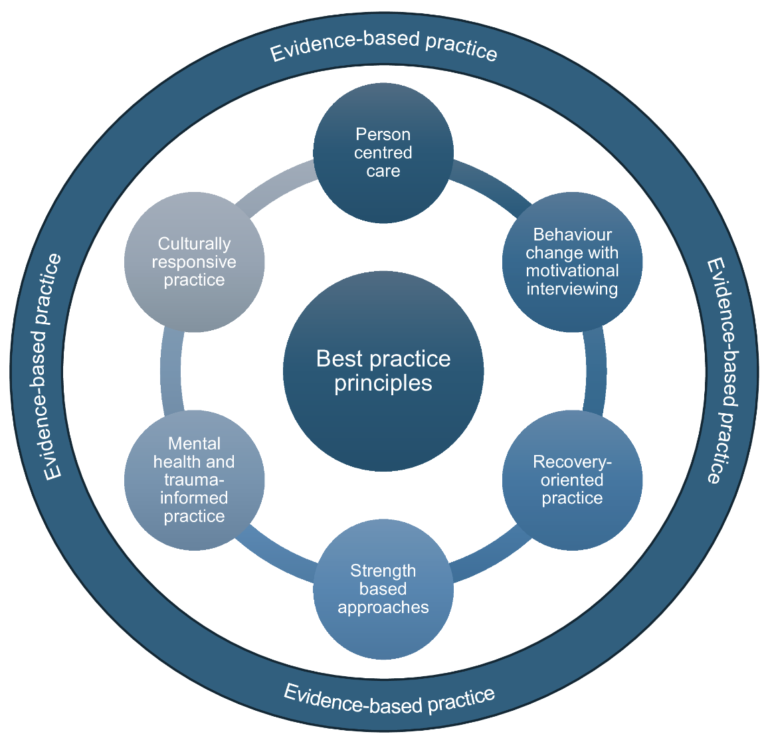
The statement identifies six interconnected best-practice principles that should underpin exercise physiology practice in mental health settings:
- Person-centred care that tailors exercise programmes to individual goals, values and recovery priorities
- Strength-based approaches that focus on capacity and potential rather than deficits
- Recovery-oriented practice that supports meaningful participation in work, study and social life
- Culturally responsive practice that respects diverse beliefs, values and cultural frameworks
- Mental health and trauma-informed practice that creates psychologically safe environments and recognises distress
- Behaviour change strategies to build confidence and sustained engagement
All of these principles are underpinned by evidence-based practice grounded in peer-reviewed research and clinical guidelines.
The statement also outlines the scope of practice for exercise physiologists across the healthcare journey, from referral and assessment through to intervention delivery, progress monitoring, and discharge planning. This includes conducting physical and metabolic health screenings, designing person-centred exercise programmes, monitoring for changes in mental health presentations, and making appropriate referrals when needed.
Integration into multidisciplinary teams
Effective integration requires exercise physiologists to work collaboratively within mental health teams through shared care planning, regular communication, participation in case reviews, and routine physical health screening. The statement emphasises the importance of promoting exercise as a standard component of mental healthcare through clear referral pathways and routine documentation of functional and metabolic outcomes.
Exercise physiologists also play a role in capacity building by upskilling other clinicians, peer workers and allied health staff to strengthen confidence in supporting physical activity as part of mental health recovery, and by building connections with primary care and community organisations to support ongoing engagement beyond formal mental health services.
How the consensus was developed
The statement was developed through a rigorous five-stage process involving a multidisciplinary advisory group, targeted literature review, four-step Delphi process, and national endorsement by ESSA. Twenty-four experts participated in the consensus development, including exercise physiologists, mental health professionals, and people with lived experience of mental health challenges. Final consensus of 80% or greater agreement was achieved across 12 key items.
The process was designed to ensure diverse representation across disciplines, lived experience, geographical locations and mental health service contexts, including professionals from public, private and peer-led sectors across six Australian states and territories.
International relevance
While developed for the Australian context, the practice principles outlined align with roles for clinical exercise professionals internationally, including exercise physiologists, kinesiologists, physiotherapists and physical therapists working in mental health settings. The statement may serve as a useful model for countries where integration of clinical exercise professionals into mental health services is still developing.